
We will inspect your home as if we were the ones making this major investment.
Buying a home is a major step and a big investment, so discovering any defects before you’ve signed on the dotted line is a top priority. Having a detailed understanding of a home’s condition before you commit to it gives you what you need to negotiate a fair price with confidence. It also provides you with peace of mind when making your final decision. Stonebriar Property Inspections offers Buyer’s Home Inspection Services.
If you are a concerned home buyer searching for your dream home, our home inspector will be one your greatest allies. We’ll provide you with the most comprehensive home inspection a buyer can get.
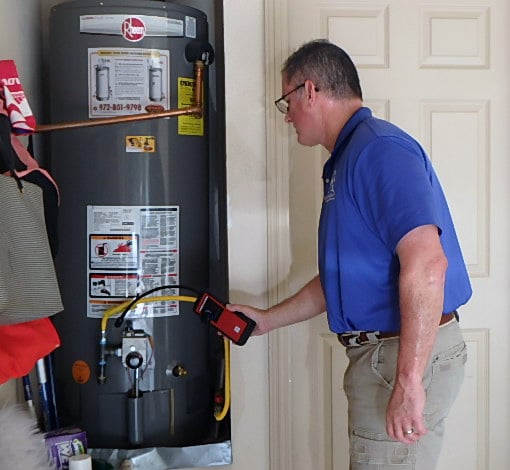
As with all our inspections, we will inspect far more than the Texas Real Estate Commission’s 600+ required components, taking pictures to include in your inspection report.
Here’s what one satisfied customer had to say about the service we delivered for his family:
I highly recommend Stonebriar Property Inspections. The report was about 74 pages. Lots of pictures with easy to understand comments. I had several questions and had to email the inspector Keith. He either called me within a couple of hours or returned an email or text letting me know when he would be following up. There were a couple of significant findings so unfortunately we had to back out of the deal. I will call Keith again when I find another house. Thanks for a great job Keith.
– Steve W.
After the inspection, we’ll deliver your comprehensive inspection report outlining what we’ve inspected and each component’s condition. We’ll also make recommendations for repairs, so you have the information you need to negotiate with the seller. Your report will be written in clear language and include 80 to 100 high-resolution digital images, so you can see what we see. We’ll be available to answer questions and provide additional advice. Our goal is for you to be completely satisfied that you’ve made the best decision when purchasing your new home.
Since 2007, Keith Boggs of Stonebriar Property Inspections has been helping his loyal clients buy and sell homes with confidence. With more than 25 years working in the construction industry, Keith offers thorough, accurate, home inspection services of the highest quality in the greater Dallas, Texas area, with offices in Dallas and in Frisco.
Contact Keith Boggs of Stonebriar Property Inspections at (214) 923-7304 or [email protected]
Appointments available 7 days a week, including evenings and weekends